
Ayurveda for Leaders
A business leader pausing thoughtfully at his desk, looking out over the city from a high office

Ayurveda for Leaders

Renew your energy
Lead with clarity

Every decision you make depends on the body and mind behind it. Ayurveda helps you understand how they work, so you can work with them more consciously

See what this is about

The real question

More hours are not always the answer

Leaders are often looking for more output, more time and better tools. But the quality of your energy and attention during those hours matters just as much

Some days difficult work feels easier. Other days the same work feels heavy. The hours have not changed. What changed is how you slept, ate, moved or recovered

A business leader pausing at his desk, looking out over a city skyline in morning light

One choice may not seem important. Repeated every day, these patterns start to matter

  1. 6:30 AMWake after a short night
  2. 8:00 AMCoffee and the first meeting
  3. 10:30 AMAnother coffee between calls
  4. 1:30 PMLunch when there is finally time
  5. 3:00 PMEnergy starts to dip
  6. 6:30 PMWork is still following you
  7. 9:00 PMA late dinner
  8. 11:30 PMThe body is tired but the mind is still active
An individual starting point

Built around your life

There is no single routine that works for everyone

Dr Gupta begins with an individual assessment to understand your current diet, hunger and digestion, sleep, daily routine, physical activity, work demands, energy patterns, relevant health concerns and what you would like to improve

This gives you a clearer starting point and helps make the learning and guidance more relevant to your needs and circumstances, rather than handing everyone the same plan

The assessment is a starting conversation, not a promise of diagnosis or treatment

The planned cohort experience

More than information

You will not just learn about Ayurveda and then be left to figure out how to use it

The experience brings together individual assessment, self-study, real-life observation and regular live Q&A

  1. 01 / 06

    Understand your starting point

    Dr Gupta reviews your current diet, digestion, sleep, routine, activity, work demands and relevant health concerns

  2. 02 / 06

    Learn at your own pace

    Work through practical self-study lessons on food, hunger, digestion, sleep, movement, daily rhythm and other influences on how you feel through the day

  3. 03 / 06

    Apply it in real life

    Make more conscious choices around food, quantity, timing, sleep, movement and recovery. What fits can change with the person, activity, time, season and circumstances

  4. 04 / 06

    Bring your questions to live Q&A

    Regular cohort sessions are a place to discuss what you notice, ask questions and consider how the principles apply to real situations in your life

  5. 05 / 06

    Refine as you learn

    Observe your own patterns and keep adjusting your choices with guidance, rather than following one fixed routine forever

  6. 06 / 06

    Build understanding you can keep using

    Learn to recognize your own signals and make more conscious choices as your work, activity, season and circumstances change

Guided learning with Dr Gupta at the start and in cohort Q&A, not ongoing individual coaching

AI and leadership

AI can work faster. It cannot decide for you

AI can provide more information and faster execution than ever before. But the leader still has to perceive, evaluate, distinguish, decide and act

Information is everywhere. Clarity is harder to find

Clear thinking still depends on the person making the decision. As machines take over more information and execution, attention, discernment and the workings of the mind become more relevant, not less

  • What matters
  • What deserves attention
  • What can wait
  • What should we act on
  • What question should we ask next

Every one of these decisions runs on the same hardware: your own energy and attention

Enter Ayurveda

Ayurveda starts with simple questions

Before offering answers, Ayurveda pays attention. It looks at the person, the food, the quantity, the timing, the activity and the situation

The answers are not the same for everyone. What restores one person may drain another

How did you sleep?Are you actually hungry?How do you feel after eating?How much did you eat?How have you been moving?When do you feel most alert?What is holding your attention?Why did you react that way?What changed in your routine?

Body and mind

Your mind should be a tool, not a burden

A tool is useful when you need it. When the work is done, you should be able to put it down

But what happens when you can't? When a problem follows you out of a meeting, stays with you through dinner, and is still running through your mind when you are trying to sleep?

At that point, the tool you depend on can start becoming a burden

This is one of the things Ayurveda for Leaders will explore: how the mind works, why some thoughts keep holding our attention, and how a greater awareness of these patterns may help us relate to the mind more consciously, in work, rest and daily life. Ayurveda has a deeper framework for understanding the mind, and that is part of what the program will go into

The goal is not to stop thinking
It is to understand the instrument you are thinking with

Where the work happens

Areas we want to explore

One system, explored from both sides: the body that carries you through the day and the mind you make every decision with

Understand the body

  • Food

    What you eat, how much, when and how it is prepared

  • Digestion

    How you process what you take in and how you feel afterward

  • Sleep

    When you sleep, how well you recover and how you feel the next day

  • Movement

    How activity changes appetite, energy, sleep and the ability to settle

  • Energy

    Where your energy comes from and where it quietly leaks away

  • Daily rhythm

    The small repeated choices that shape how the whole day feels

Understand the mind

  • Attention

    What earns your focus and what quietly takes it

  • Mental activity

    Why some thoughts keep running long after the workday ends

  • Reactions

    Why the same situation can land differently on a different day

  • Decisions

    What happens between an impulse and a considered action

When you understand the system, you can work with it more consciously

In everyday life

Learn to make better choices for the day you have

Think about the kind of food that may suit the situation, how much and when to eat, whether you are hungry, how active you will be and how you feel afterward. Sleep, recovery, the season and your work schedule all change the context

The same choice does not have to fit every day

  • 01An important presentation
  • 02A day mostly sitting
  • 03A physically active day
  • 04Travel
  • 05A poor night of sleep
  • 06A late workday
  • 07A change of season

This is about noticing what changes and deciding more consciously, not following a rigid set of rules

Why a cohort

The questions often begin when you start applying it

A lesson can explain a principle. Real life is where the questions appear

Regular live Q&A gives you a place to bring those observations, ask questions and continue learning with the cohort

Was that actually hunger?

Why did I feel heavy after this meal?

Should I eat the same way on a less active day?

What should I change when my schedule changes?

How should I think about food on a demanding workday?

What changes when the season changes?

A different kind of guidance

The goal is not to give you another routine

It is to help you understand what to do when the routine changes

What you take from the experience

Understanding that stays useful

  • 01A better understanding of your own patterns
  • 02More awareness of how food, sleep, movement and routine affect how you feel
  • 03A practical way to think about food quantity, timing and preparation
  • 04Greater awareness of hunger, digestion, energy and recovery
  • 05Guidance for adapting choices when work, activity or seasons change
  • 06A place to ask questions as you apply what you learn
  • 07Principles you can continue using after the cohort

Our philosophy

Rest is a phase
Action is the purpose

There are times to slow down and recover. But the goal is not to spend your life resting. The goal is to return to what matters with the energy to take part fully

For people who are active in the world, not away from it

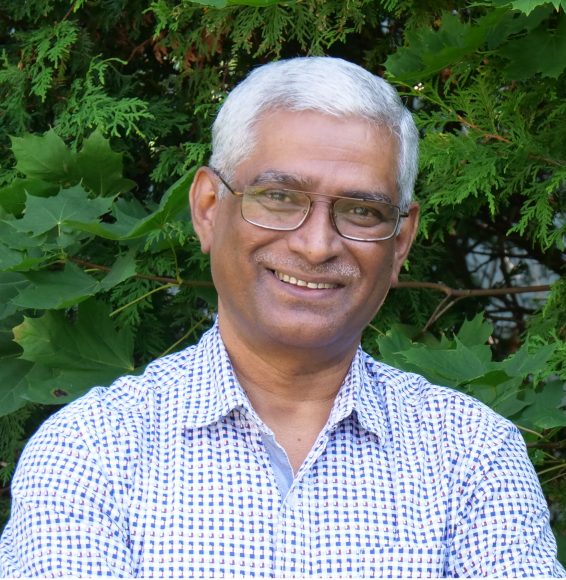
Dr Hemant Gupta smiling in front of green foliage

Guided by experience

Dr Hemant Gupta

MD Ayurvedic Medicine

Dr Gupta has more than 40 years of experience studying, practising and teaching Ayurveda. His work brings classical understanding to the daily realities of people with demanding responsibilities

In the planned cohort, he will lead the initial individual assessment and bring his experience into the shared learning and regular live Q&A. This is not continuous one-to-one coaching

Why we are building this

We would rather ask first

We are developing a guided cohort experience that starts with the individual and makes room for learning, applying and asking questions together

The details of the first cohort are still taking shape. We want to understand what leaders are actually dealing with and what kind of support would be useful. Your responses will help shape that first experience

Interest list

Shape what
we build

We are developing a guided cohort, beginning with an individual assessment and continuing through practical learning and live Q&A. Tell us where support would help you most and help shape the first cohort

Your progress0 of 5
01

Who are you

02

What best describes you?

03

Where would you most like support?

Choose any that apply

04

What is currently getting in the way of performing at your best?Optional

05

What kind of experience might you be interested in?

No program is being sold yet. We will only write when there is something worth sharing